
Renting a car often comes with an important question: Do you need rental car insurance?
The answer depends on the coverage you already have, the vehicle you are renting, your personal auto insurance policy, any rental-car benefits provided by your credit card, and how much financial responsibility you are comfortable accepting during the rental.
Some renters may already have certain protections through their personal auto insurance. Others may have credit-card benefits that apply to qualifying rental vehicles. Renters without applicable coverage may want to consider optional protection offered by the rental company.
If you are renting a vehicle in Orange County, SNA Auto Rental currently offers optional Rental Liability Insurance and Collision Damage Waiver protection. Understanding what these options do—and what coverage you may already have—can help you make a more informed decision before picking up your rental car.
Is Rental Car Insurance Required?
You are not necessarily required to purchase every insurance or protection product offered by a rental-car company.
The California Department of Insurance requires rental-car agents to disclose that purchasing optional insurance is not required and that rental-car insurance may duplicate insurance the renter already maintains.
That makes the most important first question:
What coverage do you already have?
Before deciding whether to purchase additional protection, review:
- Your personal automobile insurance policy
- Your liability coverage
- Your collision coverage
- Your comprehensive coverage
- Your deductible
- Your credit-card rental-car benefits
- Coverage exclusions
- The type of rental vehicle
- The length of the rental
- The rental company’s protection options
Do not assume that having an auto insurance policy or using a particular credit card automatically gives you complete protection for every rental situation.
Does Personal Auto Insurance Cover a Rental Car?
It may, but coverage varies by policy.
Some personal auto insurance policies extend certain coverage to vehicles rented for temporary personal use. However, the exact protection depends on the policy language, insurance company, rental vehicle, purpose of the rental, geographic area, and other conditions.
The California Department of Insurance specifically advises consumers not to assume that every personal auto insurance policy automatically covers rental vehicles.
Before your rental, contact your insurer and ask:
- Does my liability insurance extend to a rental car?
- Does my collision coverage apply to a rental vehicle?
- Does my comprehensive coverage apply?
- What deductible would apply?
- Are certain rental vehicle classes excluded?
- Are passenger vans covered?
- Are luxury or specialty vehicles covered?
- Does my policy cover loss-of-use charges?
- Does my policy cover towing or administrative charges?
- Are there geographic restrictions?
- Does coverage change for a long-term rental?
Your insurance company or agent can explain how your specific policy applies to a rental vehicle.
What Does Liability Coverage Do?
Liability coverage generally addresses qualifying injuries or property damage you cause to other people while operating a vehicle.
For example, if you are responsible for a collision that damages another driver’s vehicle, applicable property-damage liability coverage may respond to that claim. Bodily-injury liability may apply to qualifying injuries caused to another person.
Liability coverage is different from protection for damage to the rental vehicle itself.
According to the current SNA Auto Rental policies, optional Rental Liability Insurance, or RLI, may provide primary coverage for third-party bodily injury and property-damage claims up to applicable financial-responsibility limits.
The coverage remains subject to the applicable policy and Rental Agreement terms, conditions, limitations, and exclusions.
What Is a Collision Damage Waiver?
A Collision Damage Waiver, commonly called CDW, is another option renters may see during the reservation process.
A collision damage waiver is not the same as traditional insurance.
According to SNA Auto Rental’s current policies, optional CDW may reduce or waive the renter’s financial responsibility for covered loss or damage to the rental vehicle.
The California Department of Insurance similarly explains that rental companies may offer a damage waiver that waives all or part of the renter’s obligation to pay repair costs for qualifying collision damage.
CDW remains subject to the terms, conditions, limitations, and exclusions of the Rental Agreement.
For example, prohibited use of the rental vehicle or violation of the Rental Agreement may affect whether the waiver applies.
Rental Liability Insurance vs Collision Damage Waiver
These two protections address different risks.
Rental Liability Insurance: Generally relates to qualifying bodily injury or property damage claims involving third parties.
Collision Damage Waiver: Generally relates to the renter’s financial responsibility for qualifying loss or damage to the rental vehicle.
A renter may need to consider both areas when reviewing protection.
Having liability protection does not necessarily mean damage to the rental vehicle is covered. Likewise, purchasing a collision damage waiver does not automatically provide complete liability protection for injuries or property damage caused to someone else.
Is CDW Actually Insurance?
No. A collision damage waiver is generally considered a contractual waiver rather than an insurance policy.
The rental company agrees to waive or reduce certain financial responsibility for qualifying damage when the requirements of the waiver and Rental Agreement are satisfied.
This distinction matters because exclusions can apply.
Always review the terms before assuming that purchasing a CDW eliminates every possible expense associated with damage to the rental vehicle.
Do You Need CDW If You Already Have Collision Coverage?
Not necessarily, but you should verify how your personal insurance works before declining CDW.
Your personal collision coverage may extend to a qualifying rental vehicle, but several questions should be answered first.
Ask your insurer:
- Does my collision coverage extend to the rental vehicle?
- What deductible applies?
- Does the coverage include the type of vehicle I plan to rent?
- Does it cover loss of use?
- Does it cover diminished value?
- Does it cover administrative fees?
- Does it cover towing?
- Does it apply outside California?
The California Department of Insurance recommends reviewing your policy carefully and asking your insurance company about rental-vehicle collision coverage before renting.
Does Your Credit Card Cover Rental Cars?
Some credit cards provide rental-car benefits when the renter meets specific requirements.
However, benefits differ significantly between cards.
Coverage may depend on:
- The credit card used
- Whether the entire rental was paid with that card
- Whether you declined certain rental-company protection
- The type of rental vehicle
- The length of the rental
- The location of the rental
- Whether the rental is for personal or business use
- Whether the benefit is primary or secondary
- The cause of the damage
Credit-card rental protection commonly focuses on physical damage or theft involving the rental vehicle. It may not provide the same liability protection as an automobile insurance policy.
Before relying on your card, contact the card issuer or review the current benefits guide.
What Is Primary vs Secondary Rental Car Coverage?
This distinction is particularly important when evaluating credit-card rental benefits.
Primary coverage generally responds before another applicable insurance policy, subject to its terms.
Secondary coverage generally responds after applicable primary insurance has been used.
For example, if your credit card provides secondary rental-car protection and your personal auto insurance covers the loss, you may need to file a claim with your auto insurer before the credit-card benefit becomes applicable.
Ask the credit-card company directly whether the benefit is primary or secondary.
What If You Do Not Own a Car?
If you do not own a vehicle, you may not have a personal automobile insurance policy that extends coverage to your rental.
This makes reviewing available protection particularly important.
Consider your potential exposure for:
- Damage to another person’s vehicle
- Injuries to other people
- Damage to the rental vehicle
- Theft of the rental vehicle
- Medical expenses
- Towing
- Loss-of-use expenses
- Other charges allowed under the Rental Agreement
If you frequently rent vehicles but do not own a car, you may also want to ask a licensed insurance professional whether non-owner automobile insurance is appropriate for your situation.
What If You Only Have Liability Insurance?
A personal auto policy that provides liability coverage does not necessarily provide collision or comprehensive protection for damage to the rental car.
This distinction is important.
Liability insurance generally addresses qualifying injuries and property damage caused to other people.
Collision and comprehensive coverage deal with physical damage to covered vehicles under applicable circumstances.
If you carry liability-only insurance, ask your insurance company specifically whether your policy provides any protection for physical damage to a rental vehicle.
What Does Comprehensive Coverage Usually Address?
Comprehensive coverage generally applies to certain types of physical damage that are not caused by a collision.
Depending on the policy, examples may include:
- Theft
- Vandalism
- Fire
- Falling objects
- Weather-related damage
- Certain glass damage
Whether your personal comprehensive coverage extends to a rental vehicle depends on your specific policy.
Do not assume that because your personal vehicle has comprehensive coverage, every rental vehicle automatically receives identical protection.
What About Rental Car Theft?
Theft is another reason to understand the difference between your personal insurance, credit-card protection, and any rental-company waiver.
Some personal comprehensive policies may apply to rental-car theft. Certain credit cards may also provide qualifying rental theft benefits.
Coverage depends on the specific policy or card.
Ask whether there are requirements regarding:
- Reporting the theft to police
- Returning the rental keys
- Documentation
- Vehicle exclusions
- Rental duration
- Geographic restrictions
Does Rental Car Insurance Cover Personal Belongings?
Damage protection for the rental vehicle should not be confused with coverage for your personal belongings.
If luggage, electronics, or other personal property is stolen from a rental car, coverage may come from a homeowners, renters, travel, or personal-effects insurance policy rather than vehicle collision protection.
Deductibles and exclusions may apply.
Travelers carrying valuable belongings should verify their existing coverage before their trip.
Does Health Insurance Cover Injuries in a Rental Car?
Health insurance may pay qualifying medical expenses after an automobile accident, but coverage varies by plan.
Auto insurance policies can also contain medical-payment or related benefits.
When reviewing rental protection, consider not only vehicle damage but also how medical costs would be handled if you or your passengers were injured.
Contact your health insurer and auto insurer if you are unsure how these benefits coordinate.
Does Travel Insurance Include Rental Cars?
Some travel insurance plans include benefits relating to rental vehicles, while others do not.
The California Department of Insurance recognizes that travel insurance can include certain protection for damage to rental vehicles.
However, a travel insurance policy should not automatically be assumed to replace automobile liability coverage or a rental company’s damage waiver.
Review the specific plan before relying on it.
Do International Visitors Need Rental Car Insurance?
International travelers should be particularly careful about assuming insurance from their home country applies to a California rental car.
An automobile policy issued outside the United States may have geographic limitations or may not extend to U.S. rental vehicles.
Similarly, international credit cards may provide different rental benefits depending on the issuing bank and card.
Before traveling, ask your insurer and credit-card company whether your protection applies to a vehicle rented in California.
SNA Auto Rental currently accepts qualifying international driver’s licenses when the renter meets its requirements, including passport requirements when applicable.
Does Rental Car Insurance Cover Additional Drivers?
Coverage can become more complicated when more than one person plans to drive the vehicle.
Every person who will operate the rental car should be properly authorized under the Rental Agreement.
SNA Auto Rental currently allows up to three additional drivers at no additional driver charge, provided each driver meets the rental requirements, presents a valid driver’s license, and is listed on the Rental Agreement before driving the vehicle.
Do not allow an unauthorized driver to operate the rental car. Doing so may violate the Rental Agreement and may affect available protection.
Does the Type of Rental Vehicle Matter?
Yes.
Some insurance policies and credit-card benefits exclude particular vehicle categories.
Potential exclusions can include:
- Luxury vehicles
- Exotic vehicles
- Pickup trucks
- Large passenger vans
- Commercial vehicles
- Certain SUVs
- Motorcycles
- Recreational vehicles
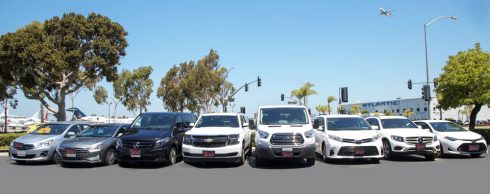
SNA Auto Rental offers a wide range of vehicles, including economy and compact cars, midsize and full-size cars, SUVs, minivans, convertibles, pickup trucks, and passenger vans.
If you are relying on personal insurance or credit-card benefits, verify that the exact vehicle category you intend to rent qualifies for coverage.
Does Rental Length Affect Insurance Coverage?
It can.
Some credit-card rental benefits and insurance policies limit how many consecutive days a rental can last before the coverage no longer applies.
This is particularly important for customers considering a monthly car rental in Orange County.
Before starting a long-term rental, verify whether your personal policy or credit-card benefit remains effective for the entire rental period.
What Happens If You Damage a Rental Car?
The process depends on the accident, Rental Agreement, insurance coverage, and protection selected at the time of rental.
If damage occurs:
- Make sure everyone is safe.
- Contact emergency services when necessary.
- Follow applicable reporting requirements.
- Notify the rental company promptly.
- Document the vehicle and accident scene when it is safe to do so.
- Exchange required information with the other driver when applicable.
- Contact your insurance company if your policy may apply.
- Contact your credit-card benefits administrator if you plan to make a claim through the card.
Do not make assumptions about who will ultimately pay until the applicable coverage and circumstances have been reviewed.
Questions to Ask Before Declining Rental Car Protection
If you are thinking about declining optional rental protection because you believe you are already covered, ask these questions first:
- Does my auto insurance cover rental vehicles?
- Does it cover this specific vehicle type?
- What is my deductible?
- Will filing a rental-car claim affect my personal insurance?
- Does my policy cover loss of use?
- Does my credit card provide rental-car protection?
- Is my credit-card coverage primary or secondary?
- Does my card exclude the vehicle I am renting?
- How long can I rent before the card benefit expires?
- What documentation would I need to file a claim?
Answering these questions before arriving at the rental location can make the pickup process much easier.
Questions to Ask Before Purchasing Rental Car Protection
You should also understand exactly what you are purchasing.
Ask:
- Is this insurance or a waiver?
- What does it cover?
- What does it exclude?
- What is my remaining financial responsibility?
- Does it provide liability protection?
- Does it cover damage to the rental vehicle?
- Does it cover theft?
- What uses of the vehicle could void the protection?
- Does it apply to additional authorized drivers?
- Where can I read the complete terms?
Review the Rental Agreement carefully before signing.
Rental Car Insurance for John Wayne Airport Travelers
Travelers arriving at John Wayne Airport often arrange their rental car before arriving in Orange County.
This is a good time to check your insurance rather than waiting until you are standing at the rental counter.
Before your flight:
- Contact your automobile insurer
- Check your credit-card benefits
- Determine your deductible
- Verify eligible rental vehicle types
- Review the rental company’s available protection
SNA Auto Rental is located less than a mile from John Wayne Airport at 3848 Campus Dr., Suite 102, Newport Beach, CA 92660.
The company provides free John Wayne Airport pickup and drop-off during applicable service hours. After arriving at SNA and collecting your luggage, follow SNA Auto Rental’s current airport pickup instructions and contact the office for shuttle service.
Rental Car Protection at SNA Auto Rental
SNA Auto Rental currently offers optional protection choices that include:
Rental Liability Insurance
Optional Rental Liability Insurance may provide primary coverage for qualifying third-party bodily-injury and property-damage claims up to applicable financial-responsibility limits. Coverage is subject to the policy and Rental Agreement terms, conditions, limitations, and exclusions.
Collision Damage Waiver
For an additional charge, Collision Damage Waiver may reduce or waive the renter’s financial responsibility for qualifying loss or damage to the rental vehicle. CDW is not insurance and is subject to the terms, limitations, exclusions, and prohibited-use provisions of the Rental Agreement.
Visit the SNA Auto Rental Policies page to review current rental requirements and protection information before making your reservation.
Do You Really Need Rental Car Insurance?
There is no single answer that applies to every renter.
You may already have applicable protection through personal auto insurance or a qualifying credit card. Another renter may have liability coverage but no protection for physical damage to the rental car. Someone who does not own a vehicle may have no personal auto policy at all.
The best approach is to determine your coverage before the rental begins.
Review:
- Your personal auto insurance
- Your deductible
- Your credit-card benefits
- Your vehicle type
- Your rental duration
- Your travel location
- The rental company’s optional protection
- The Rental Agreement
Once you understand those details, you can make a more informed decision about which optional protections, if any, make sense for your rental.
Rent a Car Near John Wayne Airport
SNA Auto Rental provides affordable car rentals in Orange County from its location near John Wayne Airport.
The fleet includes economy, compact, midsize and full-size cars, SUVs, minivans, convertibles, pickup trucks, and passenger vans for airport travelers, business trips, family vacations, local transportation, and longer-term rentals.
SNA Auto Rental serves travelers and residents throughout Newport Beach, Irvine, Costa Mesa, Santa Ana, Anaheim, Huntington Beach, Laguna Beach, Mission Viejo, and surrounding Orange County communities.
Reserve your rental vehicle online or call (949) 251-0202 if you have questions about vehicle availability, rental requirements, airport pickup, or current protection options.
Frequently Asked Questions
1. Do I have to buy rental car insurance?
Not necessarily. California requires rental-car agents to disclose that optional insurance is not required and that some rental coverage may duplicate insurance you already maintain. Review your personal policy and other benefits before deciding.
2. Does my regular auto insurance cover a rental car?
It may. Coverage depends on your insurance company and policy. Contact your insurer before renting and ask specifically about liability, collision, comprehensive coverage, deductibles, exclusions, and the type of vehicle you plan to rent.
3. What is a collision damage waiver?
A collision damage waiver may reduce or waive your financial responsibility for certain covered damage to a rental vehicle. CDW is generally a contractual waiver rather than an insurance policy and remains subject to the Rental Agreement.
4. Does my credit card provide rental car insurance?
Some credit cards offer rental-car benefits, but coverage varies. Requirements may include paying for the rental with the card and declining certain rental-company protection. Vehicle, geographic, and rental-duration exclusions may also apply.
5. Is credit-card rental coverage primary or secondary?
It depends on the credit card. Primary coverage may respond before other applicable insurance, while secondary coverage typically applies after other eligible coverage has been used. Check your current card benefits.
6. Do I need CDW if I have full coverage auto insurance?
Possibly not, but verify your policy before declining CDW. Ask whether your collision and comprehensive coverage extends to rental vehicles and whether loss of use, administrative charges, towing, or other expenses are covered.
7. What if I do not own a car?
If you do not own a car, you may not have personal automobile insurance that applies to your rental. Review the rental company’s protection options, credit-card benefits, travel insurance, and any other applicable coverage before renting.
8. Does rental car insurance cover additional drivers?
Coverage depends on the policy and Rental Agreement. Every person who plans to drive should be properly authorized. SNA Auto Rental currently allows up to three additional drivers at no charge when they meet the rental requirements and are listed on the Rental Agreement.
9. Does rental car insurance cover passenger vans and SUVs?
Not always. Some personal auto policies and credit-card benefits exclude certain vehicle types, including large passenger vans, specialty vehicles, or other categories. Verify coverage for the exact vehicle you plan to rent.
10. Where can I rent a car near John Wayne Airport?
SNA Auto Rental is located at 3848 Campus Dr., Suite 102, Newport Beach, CA 92660, less than a mile from John Wayne Airport. The company offers free SNA airport pickup and drop-off during applicable service hours. Call (949) 251-0202 or reserve a rental car online.